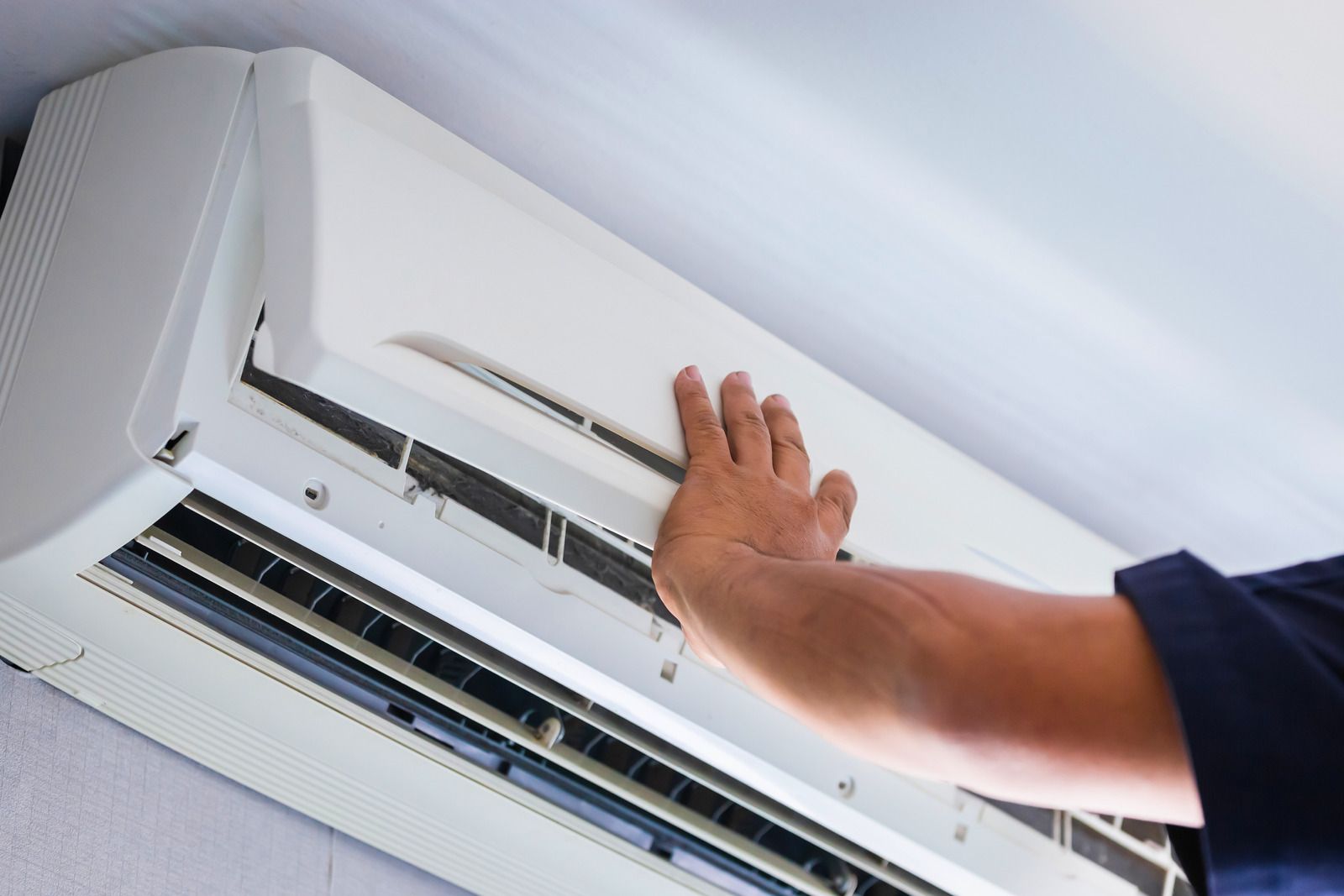
How Often Should You Service Your HVAC System in Pasadena, CA?
October 27, 2026
QUICK ANSWER: Most Pasadena homes should have the HVAC system professionally serviced twice a year, with the cooling check in spring, around March or April, and the heating check in fall, around September or October. Heat pumps run in both seasons, so they benefit most from two visits. Ductless systems also follow a twice a year schedule but may need filter cleaning more often between visits. Between professional visits, check or change the filter monthly during heavy use, keep the outdoor unit clear of debris, and call sooner if you notice new sounds, smells, or uneven room temperatures.
It is a Saturday in late September, and the first cool evening of the year has finally arrived in Pasadena. You open the windows, then close them again when the Santa Ana winds kick up dust and leaves across the patio. By the next morning you decide to turn the furnace on for the first time since last winter. There is a faint burning smell for a few minutes, the air from the vents is weaker than you remember, and somewhere in the closet a motor hums a little louder than it used to.
Nothing is broken yet, but this is the moment most people ask the question this article answers. How often does an HVAC system actually need professional service, and does the answer change in a place like Pasadena, where the air conditioner works hard for months and the furnace works hard for only a few weeks? The short version is twice a year. The longer version explains why, what each visit should include, and what you can handle yourself in between.
Why Twice a Year Is the Standard
A home HVAC system is really two systems sharing a blower and a set of ducts. The cooling side depends on coils, a refrigerant circuit, a compressor, and electrical parts that start and run the motors. The heating side depends on burners, an igniter, a flame sensor, safety switches, and a vent that carries combustion gases outside. Each side is under the most strain at a different time of year, and each is most likely to show a problem in the first days of its season.
ENERGY STAR advises having a contractor do pre season checkups, with the cooling system checked in spring and the heating system checked in fall. Scheduling those visits before the season starts matters because a part that is weak in March tends to fail during the first real heat wave, and a furnace safety control that is out of adjustment in September is a problem you want to learn about before the first cold night.
Spring Visit For Cooling
The goal is to confirm the air conditioner is ready for months of long run times. For Pasadena that means March or April, ahead of the stretch when average highs climb into the upper 80s in July and August and stay high into September.
Fall Visit For Heating
The goal is to confirm the furnace or heat pump is safe and ready after sitting idle. September or October works well, before the first cold snap and before the system is asked to run every day.
Why One Visit A Year Is Not Enough For Most Homes
A single annual checkup covers only half of the equipment. If the visit happens in spring, the furnace goes through months of sitting idle with dust on the burners and no one inspecting the safety controls. If it happens in fall, the air conditioner has already been through a full summer before anyone looks at the coils or drain.
What a Spring Cooling Visit Should Cover
A good air conditioner tune up is a series of measurements and cleanings, not a quick look and a filter swap. Here is what a thorough visit includes.
Condenser Coil Cleaning
The outdoor coil releases heat from your home. Leaves, cottonwood fluff, pollen from mature street trees, and dust blown in by Santa Ana winds collect on the fins. A dirty coil cannot shed heat well, so the compressor runs longer and hotter.
Electrical Testing
Technicians tighten connections and measure capacitors, motors, and contactors against their ratings. Weak parts often show up in the readings long before they fail, which is why recorded measurements matter more than a visual check.
Refrigerant Pressures And Temperature Split
The technician measures refrigerant pressures and the difference between the air going into the system and the air coming out. A healthy system typically drops the air temperature by about 15 to 20 degrees. A split well outside that range points to a problem such as low airflow, a dirty coil, or a refrigerant leak. Refrigerant is not consumed during normal operation, so a low charge always means the circuit has a leak somewhere.
Condensate Drain Service
Your air conditioner removes moisture from the air, and that water leaves through a drain line. Algae and debris clog the line over time. A clogged drain can send water into the drain pan, trip a safety switch, or leak into a ceiling or closet.
Filter And Blower Service
The filter is replaced or cleaned, and the blower wheel and motor are inspected. Restricted airflow is behind many freeze ups, overheating problems, and efficiency losses, so this part of the visit has an outsized effect on how the whole system behaves.
TIP: Ask for a written summary after every visit. A good report separates items that need attention now from items to keep an eye on, and it records the measurements so the next visit can compare readings from year to year.
What a Fall Heating Visit Should Cover
The furnace has a different set of risks, and some of them are about safety rather than comfort.
Burners And Flame Sensor
Burners are inspected and cleaned, while the flame sensor is cleaned to prevent the furnace from shutting down shortly after startup.
Igniter And Safety Switches
The igniter, limit switch, and safety controls are tested to ensure proper ignition and automatic shutdown if overheating or ignition problems occur.
Venting And Gas Pressure
The venting system is checked for proper combustion gas removal, and gas pressure is verified to support safe, reliable furnace operation.
Heat Exchanger Inspection
Accessible heat exchanger surfaces are examined for rust, soot, flame irregularities, and visible cracks. Any concerns are explained before further work begins.
Carbon Monoxide Alarms
Test alarms outside sleeping areas and on every home level during furnace service. Replace units that have reached the end of their service life.
Heat Pumps and Ductless Systems Follow a Slightly Different Pattern
A heat pump does both jobs, heating in winter and cooling in summer, so it runs for far more months of the year than a furnace or a standalone air conditioner. That extra run time means more wear, which is why twice a year is the minimum for a heat pump. A heat pump visit includes cleaning the coils, testing the reversing valve and defrost controls, and checking the refrigerant charge in both heating and cooling modes.
Ductless mini split systems also benefit from two visits a year, but their filters and indoor coils are right in the living space, so they collect dust faster than many people expect. Cleaning the filters more often between professional visits keeps airflow steady and keeps the indoor units from developing odors.
What You Can Do Between Visits
Professional service handles the parts that involve electricity, refrigerant, and gas. The rest is simple upkeep that makes a measurable difference.
Check The Filter Monthly
ENERGY STAR recommends inspecting or changing filters monthly during heavy use. Dirty filters restrict airflow, strain the blower, and may accelerate equipment failure, especially during Pasadena’s wildfire season.
Keep The Outdoor Unit Clear
Maintain about two feet of clearance around the condenser, trim nearby plants, and gently rinse debris from the fins using a garden hose on low pressure.
Keep Vents And Registers Open
Furniture, rugs, and curtains covering supply or return vents restrict airflow, potentially causing uneven temperatures and symptoms that resemble equipment failure.
Watch For Changes
Unusual noises, strange smells, uneven room temperatures, or longer operating cycles may indicate developing problems. Schedule service early to prevent unexpected breakdowns.
WARNING: Do not open the electrical panel on the outdoor unit, add refrigerant, or adjust gas valves yourself. These tasks carry real risks of shock, fire, and injury and should be left to a licensed technician.
Signs You Should Not Wait for the Next Scheduled Visit
A twice a year schedule is the baseline, not a ceiling. Call sooner if you notice any of the following.
Warm Air From Vents: Warm air or a system that cannot reach the set temperature may indicate airflow, refrigerant, or electrical problems.
Ice On The Indoor Coil: Turn off the system and let the ice melt before calling a technician.
Water Around The Indoor Unit: Pooling water may indicate a clogged condensate line, cracked drain pan, or failed pump that needs attention.
Persistent Burning Or Gas Smells: A burning smell that persists after startup needs inspection. If you smell gas, leave immediately and call the gas company from outside.
Loud Grinding, Squealing, Or Buzzing: Unusual noises may signal worn or failing components that require professional inspection before further damage occurs.
Why Regular Service Pays Off in Reliability
Regular maintenance does not make an
HVAC system immortal, but it changes how the system ages and how it fails. Worn parts get caught early, so you face fewer surprise breakdowns during the hottest or coldest days. Clean coils, a correct refrigerant charge, and tight electrical connections keep the equipment running the way it was designed to. Heating season gets safer because burners, sensors, vents, and safety switches are checked before they are needed. Indoor air stays cleaner because filters, coils, and drain pans are kept free of dust and growth. Many manufacturers also expect proof of regular professional maintenance when a warranty claim comes up, and a stack of written service reports is exactly that proof.
Frequently Asked Questions
Is once a year enough for my HVAC system?
For many homes, one visit is better than none, but it covers only half of the equipment. Cooling and heating parts fail at different times of year, so two visits give each side a checkup before its season starts. Heat pumps in particular run nearly year round and benefit from both visits.
When is the best time of year to schedule service in Pasadena?
Book cooling service in March or April and heating service in September or October. Scheduling before the season starts leaves room to order a part if one is needed, and it avoids the rush that follows the first heat wave or cold snap.
How often should I change my air filter?
Check it monthly and change or clean it when it looks dirty. Homes with pets, nearby construction, heavy tree pollen, or wildfire smoke in the air may need a fresh filter more often. If you want to try a higher rated filter during smoke season, ask a technician to confirm your blower can handle the added resistance.
Do ductless mini splits need service as often as central systems?
Yes, two professional visits a year is a good schedule, and the filters usually need cleaning more often than that. Because the indoor units sit in your living space, dust and odors show up quickly when filters are neglected.
What should I expect after a maintenance visit?
You should receive a written summary of what was cleaned, what was measured, and what was found. A good report separates urgent items from things to monitor, so you can decide what to do and when without feeling pressured.
Can a technician check my water heater during an HVAC visit?
Technicians can flag concerns they notice, such as water heater venting or gas connector problems, during a visit. If something looks off, you can schedule a separate plumbing visit to look at it properly.
A Simple Maintenance Plan for Year Round Comfort
A twice a year schedule works because cooling and heating parts fail at different times, and each side deserves a checkup before its season begins. Spring visits get the air conditioner ready for long summer run times, fall visits confirm the furnace or heat pump is safe, and a monthly filter check fills the gap between them. Tying those dates to the clock changes makes the routine easy to remember. Small habits like these keep surprises away on the hottest and coldest days.
Performance Plumbing Heating and Air Conditioning, Inc
has served Pasadena and the San Gabriel Valley, CA for 40+ years, and each maintenance visit is tailored to the equipment in your home. Whether you own a furnace and air conditioner pair, a heat pump, or a ductless system, a written summary of every finding keeps the next visit simple and informed. Steady care of that kind lets the system age gracefully, so your home stays comfortable through every season without a second thought.