Furnace Repair
FURNACE REPAIR IN PASADENA, CA
A gas furnace's flame sensor has only a few seconds after ignition to prove that a flame is present, and if a thin coat of residue blocks that signal, the control board shuts off the gas and the burners go dark. Performance Plumbing, Heating & Air Conditioning, Inc. provides furnace repair in Pasadena, CA, Alhambra, CA, and Altadena, CA, diagnosing igniters, flame sensors, pressure switches, inducer motors, limit controls, and gas valves on most major brands. Drawing on 40+ years in the trade, we price every repair upfront and confirm safe combustion before the furnace goes back into service. Most visits end with several complete heating cycles observed from start to finish.
HEAT RETURNS WHEN THE SAFETY CHAIN IS WORKING AGAIN.
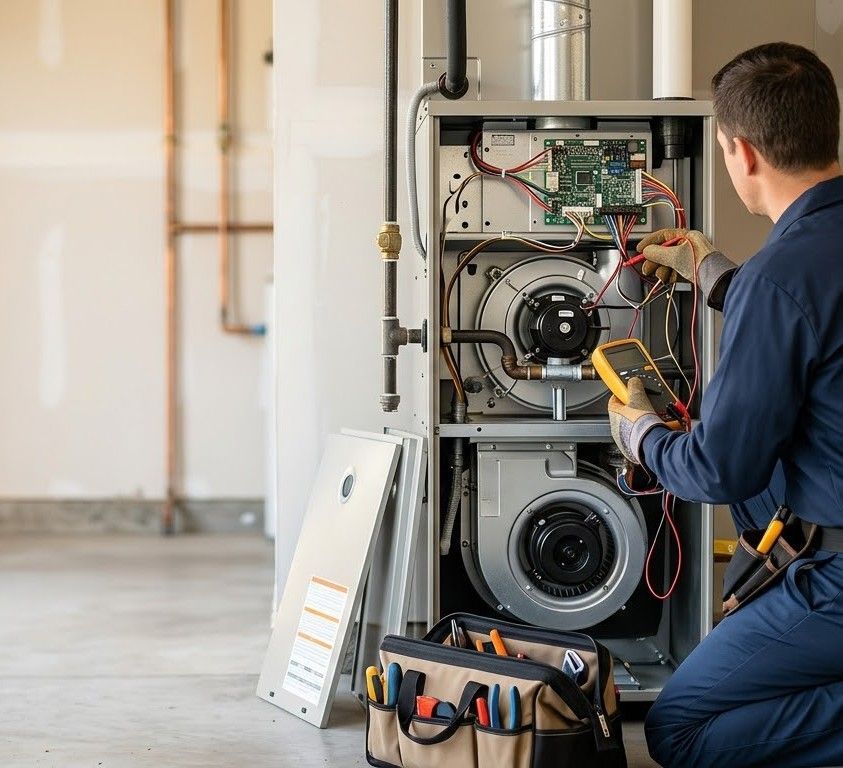
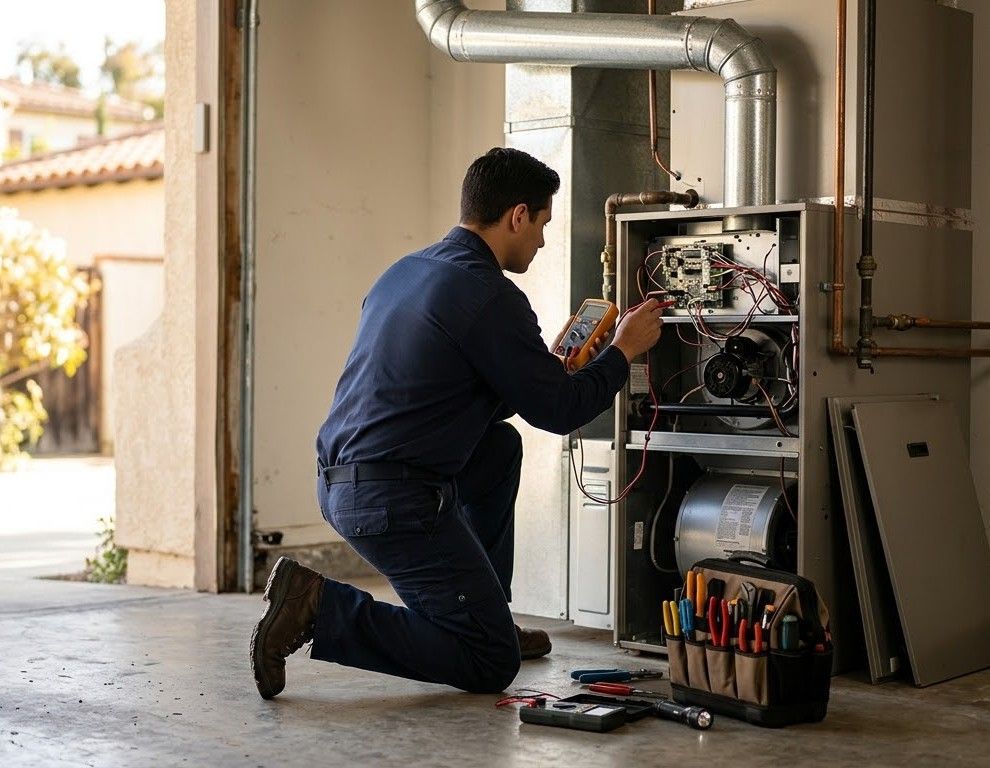
Modern furnaces run through a strict sequence of checks before and during every heating cycle: the inducer starts, the pressure switch closes, the igniter heats, the gas valve opens, and the flame sensor confirms a flame. When any link in that chain fails, the furnace protects your home by shutting down, which feels like a breakdown.
Our job is finding the broken link quickly, repairing it properly, and making sure every safety device still works as designed. Along the way, we explain which part failed and why it happened.
- Ignition sequence and safety control testing
- Flame sensor, igniter, and pressure switch repair
- Venting and combustion checks on every call
- Upfront pricing before any repair
FURNACE REPAIR
WARM ROOMS AGAIN ON PASADENA'S CHILLIEST NIGHTS.
December nights in Pasadena often drop into the mid-40s, and older homes with single-pane windows lose heat fast once a furnace quits. We respond with a focused diagnosis that follows the furnace's own startup sequence, so we can see exactly where it stops. Many heating repairs, including flame sensor cleaning, igniter replacement, and pressure switch issues, can be completed on the first visit because we carry the most common parts with us on the truck.
ATTIC, GARAGE, OR CLOSET, EACH FURNACE LOCATION WEARS ITS OWN WAY.
Furnaces in the San Gabriel Valley often sit in attics, garages, hall closets, or crawlspaces, and each location creates its own wear patterns. Attic units bake through long summers, garage units collect dust, and closet units can struggle for combustion air. Because our furnaces sit idle for months at a time, the first cold week reveals problems that built quietly all year, and we check those location-specific weak points on every visit.
A DIRTY FLAME SENSOR HAS NEVER FOOLED US.
Many furnaces that "will not stay lit" have nothing wrong beyond a coated flame sensor, yet homeowners are sometimes told they need a new control board or an entirely new furnace. With 40+ years in heating repair, we test before we replace and explain what we find in plain language. When a furnace truly has reached the end of its useful life, we tell you that honestly too. Is your furnace blowing cold air today?
WHAT A CAREFUL FURNACE REPAIR DELIVERS.
Heat When You Need It
Accurate troubleshooting gets the burners lit again quickly, often during the first visit, so chilly evenings and cold mornings return to normal without days of waiting for help.
Verified Safety
Every repair ends with checks of venting, flame quality, and safety switches, giving you confidence that the furnace heats your home without creating a hidden hazard for your family.
Smaller Repair Bills
Testing before replacing avoids expensive guesses. Many no-heat calls end with a modest part like a flame sensor or igniter instead of a costly control board or new furnace.
Steady Temperatures
Repairing short cycling, weak airflow, and ignition faults brings back consistent warmth, ending the cycle of rooms that heat up quickly and then cool off again minutes later.
Protected Equipment
Correcting the cause of a failure, such as a dirty filter or blocked vent, keeps the replacement part from failing again and protects the heat exchanger from damaging overheating.
Honest Guidance
When a furnace is nearing the end of its life, you hear it plainly along with options, so the choice to repair or replace stays entirely yours without any pressure.
our services
OUR FURNACE REPAIR WORK.
These are the heating problems we repair most often on gas furnaces throughout Pasadena and the San Gabriel Valley, from no-heat emergencies to annoying noises and uneven warmth across the house.
IGNITION PARTS
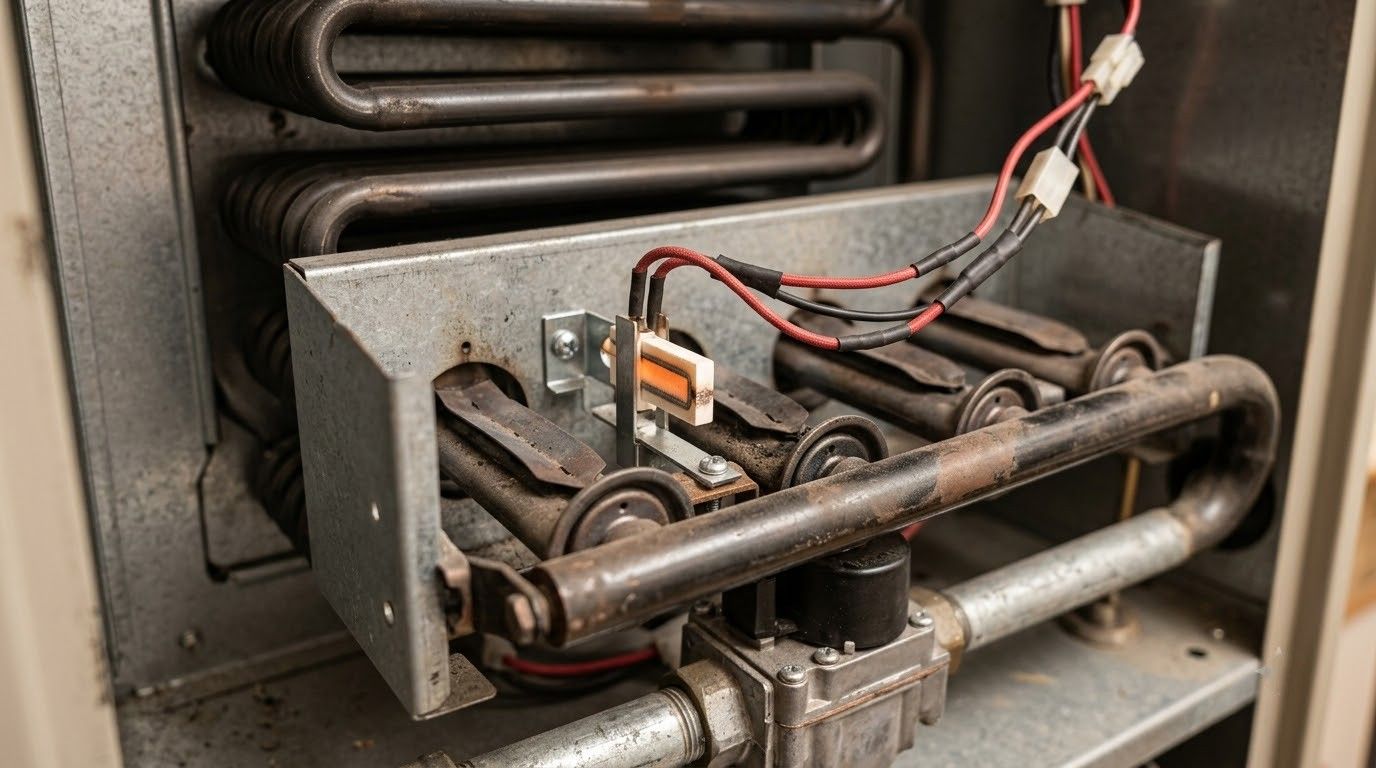
Igniter Replacement
Hot surface igniters crack and weaken with age, leaving the burners unlit. We test resistance, replace the igniter with a matched part, and confirm reliable ignition through several complete heating cycles before we leave.
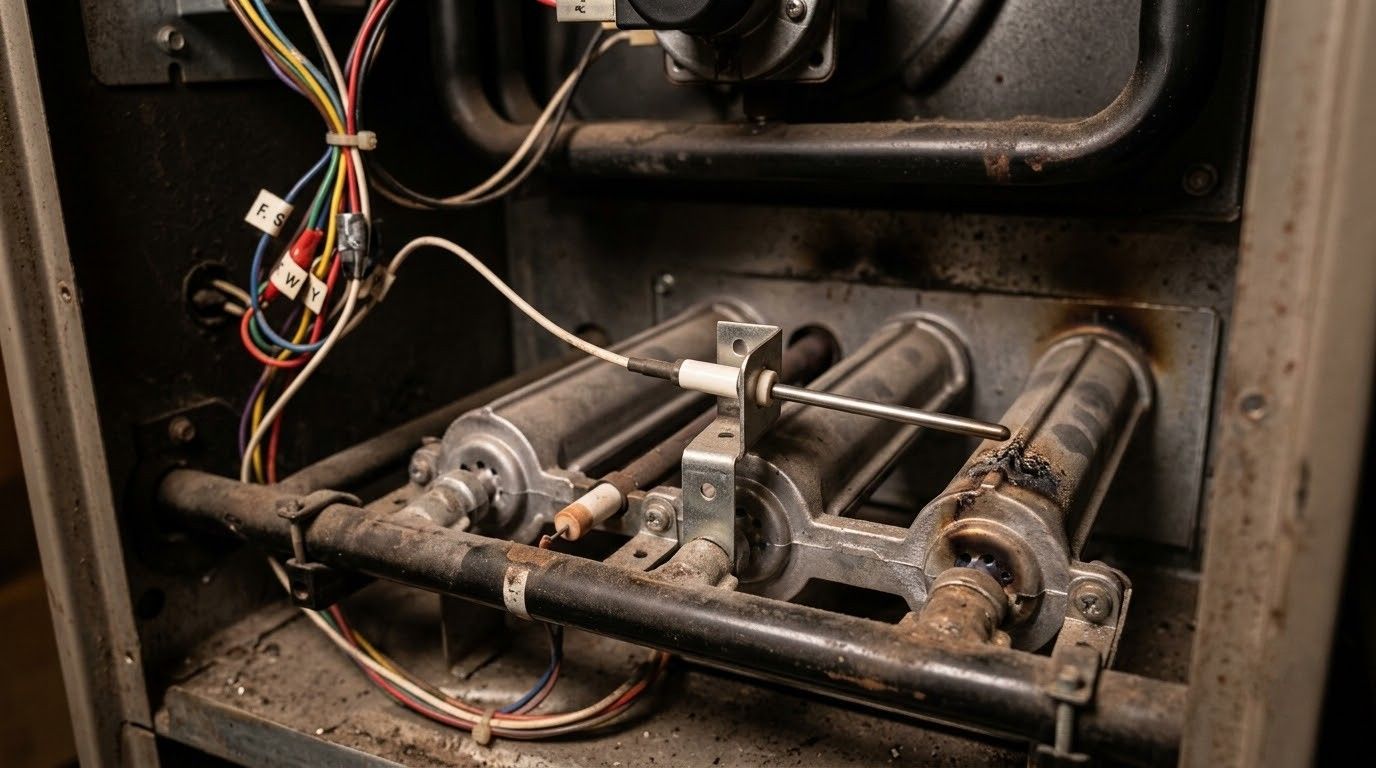
FLAME PROOF
Flame Sensor Service
A coated or damaged flame sensor makes the furnace light and shut off within seconds. We clean or replace the sensor, check its signal strength, and confirm the burners stay lit steadily.
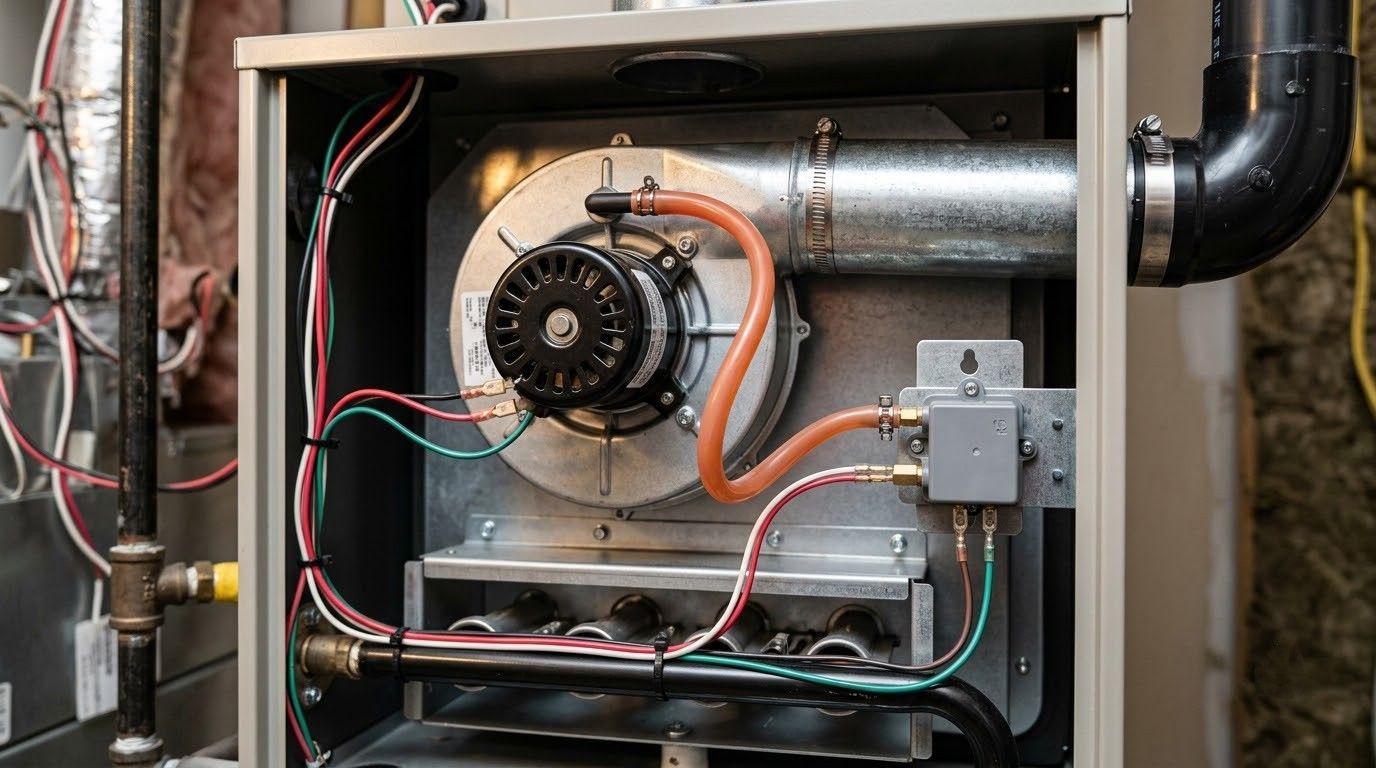
DRAFT SYSTEM
Inducer Motor and Pressure Switch Repair
The inducer clears exhaust before ignition, and the pressure switch confirms it worked. We test both, clear blocked hoses or ports, and replace failed components so the startup sequence completes properly.
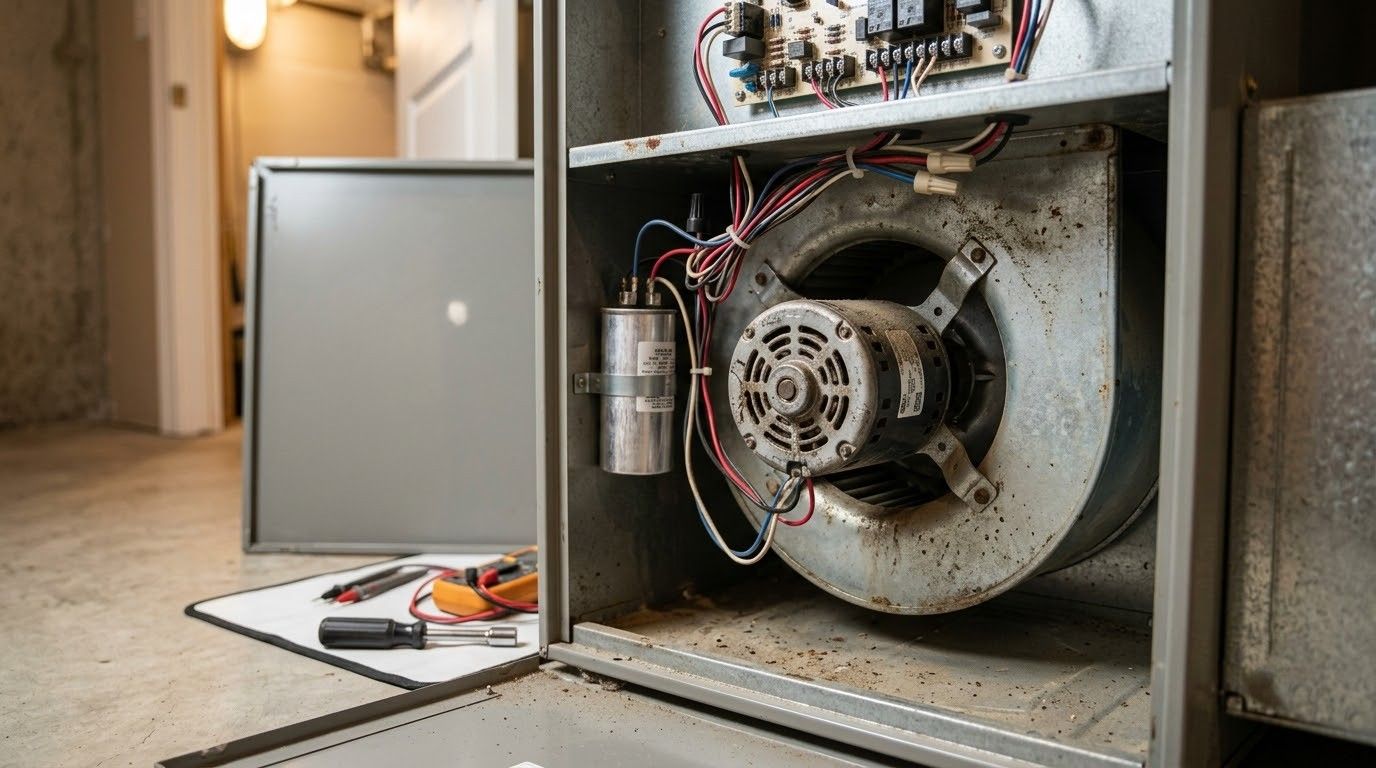
AIR MOVEMENT
Blower Motor Repair
A furnace that heats but barely moves air leaves rooms cold and can overheat. We diagnose the blower motor, capacitor, and wheel, then repair whatever is keeping warm air from reaching your rooms.
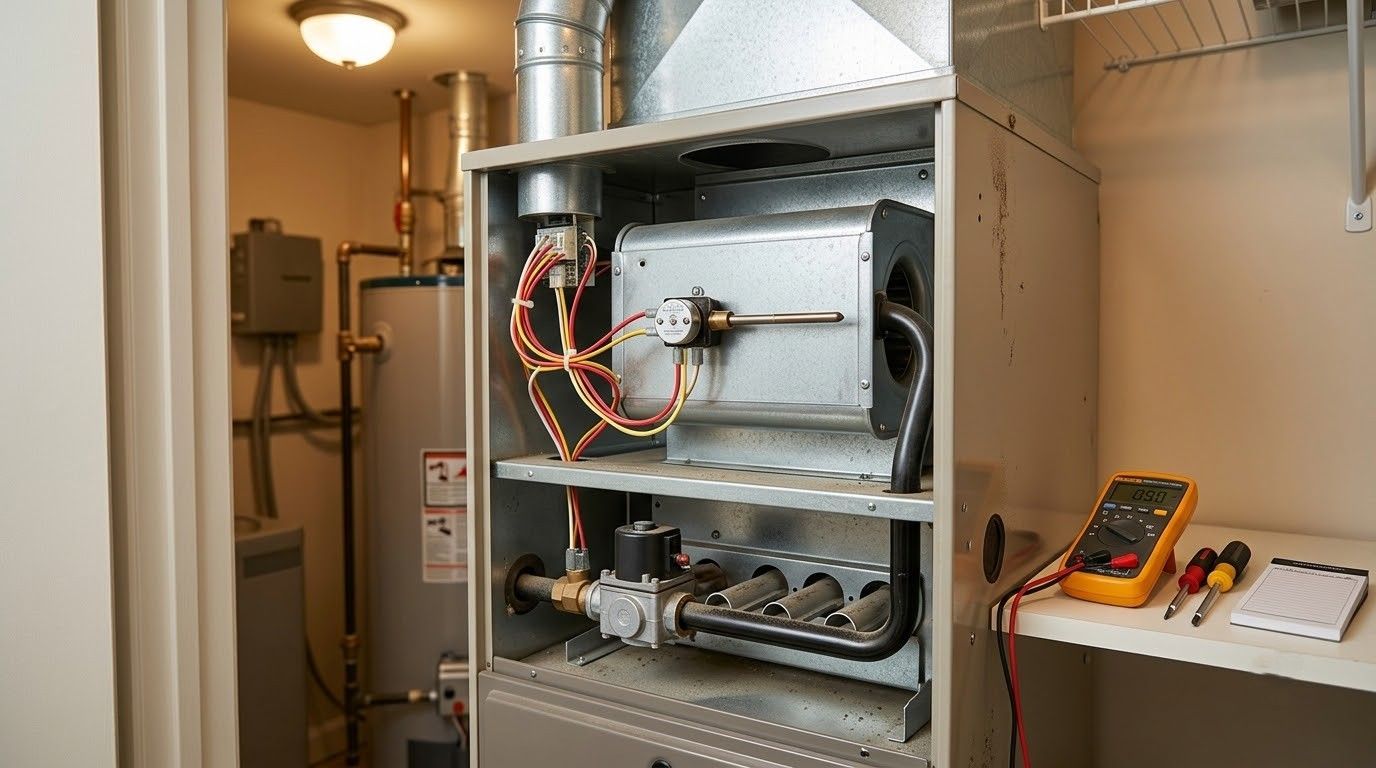
LIMIT CONTROLS
Limit Switch Troubleshooting
Repeated shutdowns on a high limit usually signal restricted airflow. We test the switch, find the restriction, whether a clogged filter, closed registers, or dirty blower, and correct the cause properly.
GAS SUPPLY
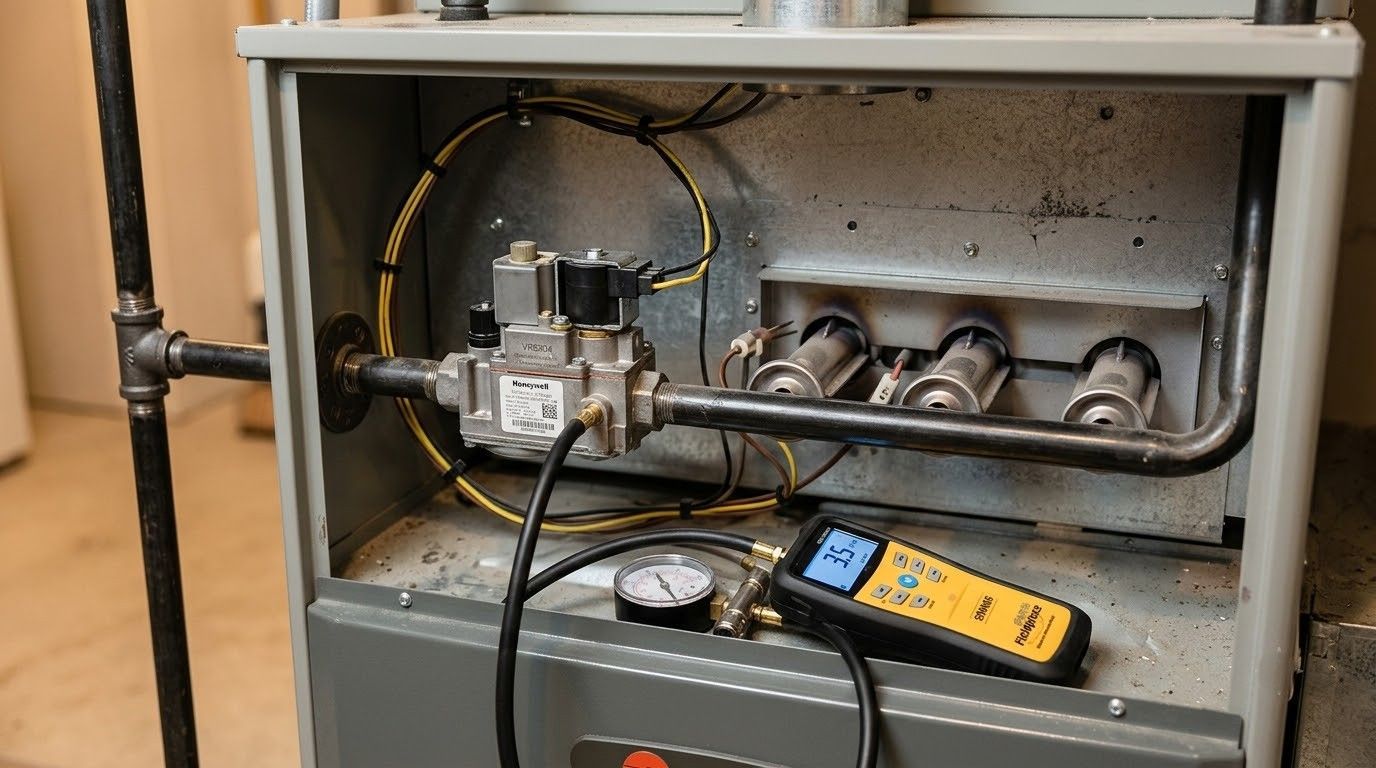
Gas Valve and Pressure Repair
Incorrect gas pressure or a failing valve causes weak flames, delayed ignition, or no heat at all. We measure pressure, adjust it to specification, and replace a faulty valve when testing shows it has failed.
WHAT OUR CLIENTS SAY.
THE WORD ON OUR WORK
THE WORD ON OUR WORK
WHAT OUR CLIENTS SAY.
Customers frequently mention how relieved they felt when a cold-night repair turned out to be a simple fix, clearly explained, instead of the new furnace they feared. They also appreciate technicians who test the venting and safety controls before leaving. Many say the clear explanation mattered most.
FAQ
FREQUENTLY ASKED QUESTIONS.
These answers cover the furnace problems homeowners ask about most, including cold air from the vents, repeated shutdowns, unusual smells and noises, and knowing when a repair is the smarter choice.
Why Is My Furnace Blowing Cold Air?
Cold air usually means the burners are not lighting or staying lit, often because of a dirty flame sensor, failed igniter, clogged filter, or tripped limit switch. Check the thermostat and filter first, then schedule testing if heat stays off.
Why Does My Furnace Turn On And Off Repeatedly?
Rapid cycling often comes from an overheating furnace tripping its limit switch because of restricted airflow, a dirty flame sensor, or an oversized unit. Each short cycle wastes fuel and stresses parts, so the underlying cause needs correcting promptly.
Is A Burning Smell Normal When My Furnace First Starts?
Some dusty smell during the first few heating cycles of the season is normal as dust burns off the heat exchanger. A persistent burning, electrical, or plastic odor is not, so shut the furnace off and schedule an inspection.
What Do Loud Bangs Or Booms From My Furnace Mean?
A loud bang at startup often signals delayed ignition, where gas collects before lighting. Dirty burners, weak igniters, or incorrect gas pressure are typical causes. It stresses the heat exchanger, so it deserves prompt professional attention rather than waiting.
Can I Reset My Furnace Myself?
Cycling the power can clear a lockout, but repeated resets without finding the cause can hide a real safety issue. If your furnace needs resetting more than once, a technician should identify why the control keeps shutting it down.
How Do I Know If My Furnace Should Be Replaced Instead Of Repaired?
Consider replacement when a furnace is older than 15 to 20 years, needs a major component such as a heat exchanger or control board, or has required several repairs recently. We share costs for both paths honestly before any decision.
Can You Repair Older Or Discontinued Furnaces?
Frequently, yes. Performance Plumbing, Heating & Air Conditioning, Inc. repairs older furnaces in Pasadena, CA using universal or compatible replacement parts whenever safe options exist. If parts are no longer available, we explain replacement choices clearly and price them upfront.
Why Choose Us For Furnace Repair In Pasadena?
Homeowners in Pasadena, CA trust Performance Plumbing, Heating & Air Conditioning, Inc. for methodical testing, honest pricing, and safety checks on every repair. We offer free second opinions, which often save customers from replacing furnaces that only needed a simple, inexpensive part.
HOW WE WORK
FROM A COLD HOUSE TO STEADY HEAT, HERE IS HOW.
STEP 01
WE HEAR WHAT HAPPENED
You describe the symptoms, from cold air and short cycling to strange noises or error lights. Those details help us predict the likely cause and bring the right parts, which usually shortens the visit considerably.
STEP 02
WE WATCH THE SEQUENCE
Our technician runs the furnace through its startup sequence and observes each stage, including inducer, pressure switch, igniter, gas valve, and flame sensor. Watching exactly where it stops pinpoints the failing component quickly and reliably.
STEP 03
WE CONFIRM WITH TESTING
Meters and gauges confirm the suspected fault before any part is replaced. Testing protects you from paying for components you do not need, which is the most common way furnace repairs become expensive.
STEP 04
WE QUOTE BEFORE WORKING
You receive a clear, upfront price along with an explanation of the problem. If the furnace is older, we also share honest thoughts on whether repair remains worthwhile for your home and budget.
STEP 05
WE REPAIR AND CORRECT
We replace the failed part and fix anything that contributed to the failure, such as a clogged filter, blocked vent, or dirty burners. Correcting the cause keeps the new part working for much longer.
STEP 06
WE VERIFY SAFE HEAT
Finally, we run several heating cycles, check flame quality, venting, and safety switches, and confirm warm air reaches your rooms. You get a summary of the repair and any recommendations worth planning for.