HVAC Repair
HVAC REPAIR IN PASADENA, CA
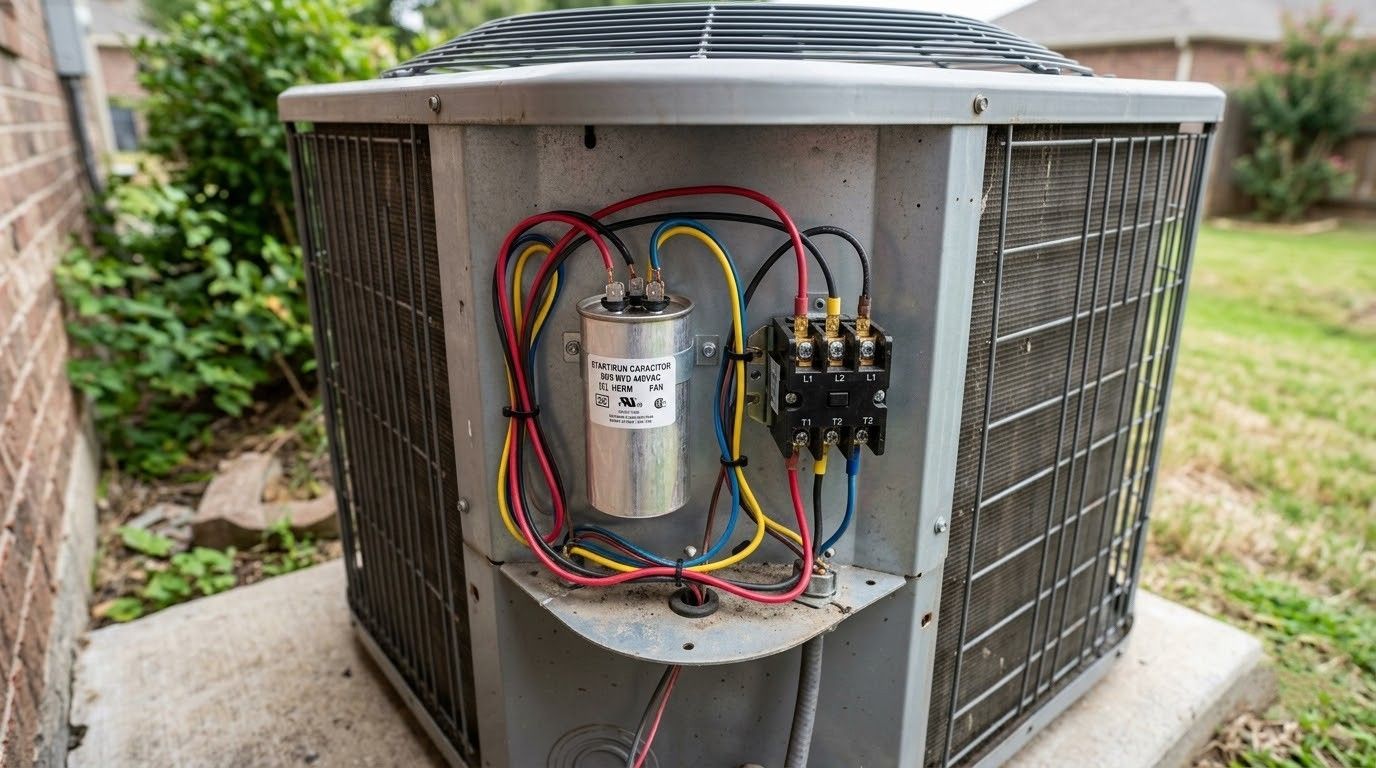
A run capacitor that drifts more than 10 percent below its rated microfarads can keep a compressor or blower from starting, and it is one of the most common reasons a system quits on a hot afternoon. Performance Plumbing, Heating & Air Conditioning, Inc. provides HVAC repair in Pasadena, CA and across the San Gabriel Valley, testing capacitors, contactors, motors, control boards, and refrigerant circuits until the actual failure is confirmed. We price each repair upfront, explain it in plain language before any part is replaced, and stand behind the work once your home is comfortable again. Most visits end with the system tested through a full heating or cooling cycle.
HONEST DIAGNOSIS IS WHERE EVERY WORKING SYSTEM STARTS.
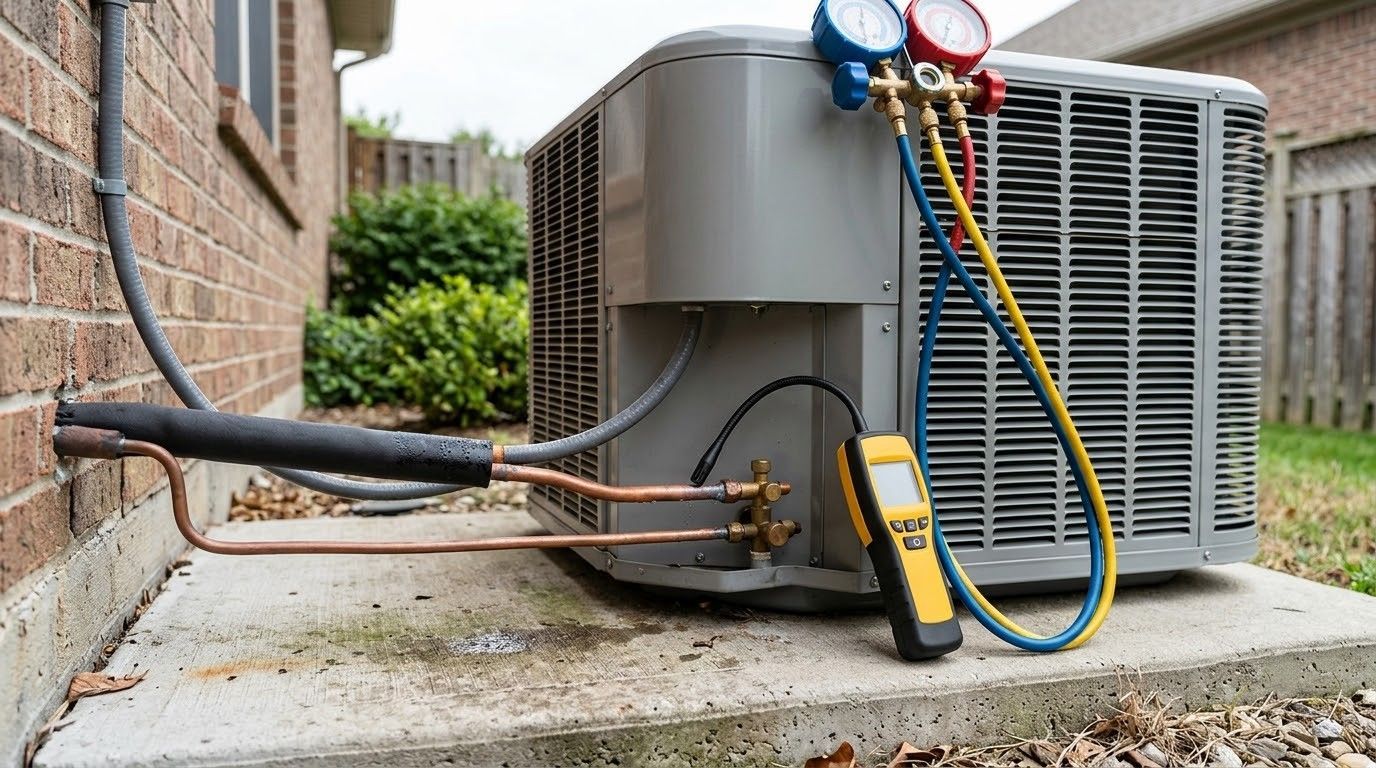
Heating and cooling problems rarely announce their cause. A system that runs but will not cool, a blower that hums without spinning, or a furnace that lights and then shuts down can each trace to several different parts. We test before we replace, so the repair you pay for is the one your system actually needs.
That discipline also protects your budget, because parts swapped on a hunch add cost without fixing anything. It also gives you a clear record of what failed, which helps with future decisions about repair or replacement.
- Electrical and refrigerant testing on every call
- Written repair price before work begins
- Free second opinions on major repairs
- Heating and cooling repairs from one team
HVAC REPAIR
PASADENA HOMES DESERVE REPAIRS THAT LAST PAST NEXT SEASON.
Plenty of homes in Pasadena, CA run heating and cooling equipment that has been patched more than once. Each quick fix that ignored the root cause shortened the system's life a little further. We approach every repair by asking why the part failed, whether that is a clogged filter overheating a motor, a loose connection pitting a contactor, or low airflow icing a coil, and then we correct that cause along with the failed component.
90-DEGREE AFTERNOONS AND 40-DEGREE NIGHTS WEAR PARTS DIFFERENTLY.
Our climate puts unusual demands on equipment. Summer afternoons regularly climb into the 90s, while winter nights dip into the 40s, so many systems switch between long cooling runs and short heating cycles within a single week. That pattern wears on capacitors, igniters, and blower motors in predictable ways, and knowing those patterns lets us check the likely weak points first and finish repairs faster.
40+ YEARS OF FINDING THE PART THAT ACTUALLY FAILED.
With 40+ years in heating, cooling, and plumbing, we have learned that the loudest symptom is not always the real problem. A tripped limit switch may point to a dirty blower wheel. A frozen coil may point to a restricted return. We walk you through what we found, show you the failed part when we can, and let you decide on the repair with the full picture in front of you. Ready to get your system back?
WHAT A PROPER HVAC REPAIR DELIVERS.
Comfort Restored Quickly
Your home returns to a steady, comfortable temperature without days of waiting, because the diagnosis starts the moment we arrive and most common parts travel with us on the truck.
Fewer Repeat Breakdowns
Fixing the cause along with the failed part means the same problem is far less likely to return next month, saving you another service call and another uncomfortable afternoon.
Lower Energy Bills
A system with clean coils, correct refrigerant charge, and healthy motors runs shorter cycles to reach the same temperature, and that efficiency shows up on every utility bill afterward.
Longer Equipment Life
Catching a failing capacitor or overheating motor early keeps the stress off your compressor, the most expensive component in the system, and adds usable years to your equipment.
Safer Operation
Every heating repair includes checks of flame, venting, and safety switches, so you gain comfort without trading away the protection your family depends on each night.
Clear Decisions
You see the diagnosis, the price, and the options before any work begins, which makes repair versus replace a decision you make with facts rather than pressure.
our services
OUR HVAC REPAIR WORK.
These are the repairs we handle most often on central air conditioners, gas furnaces, heat pumps, and air handlers in homes across Pasadena and the wider San Gabriel Valley. Each one starts with testing.
ELECTRICAL PARTS
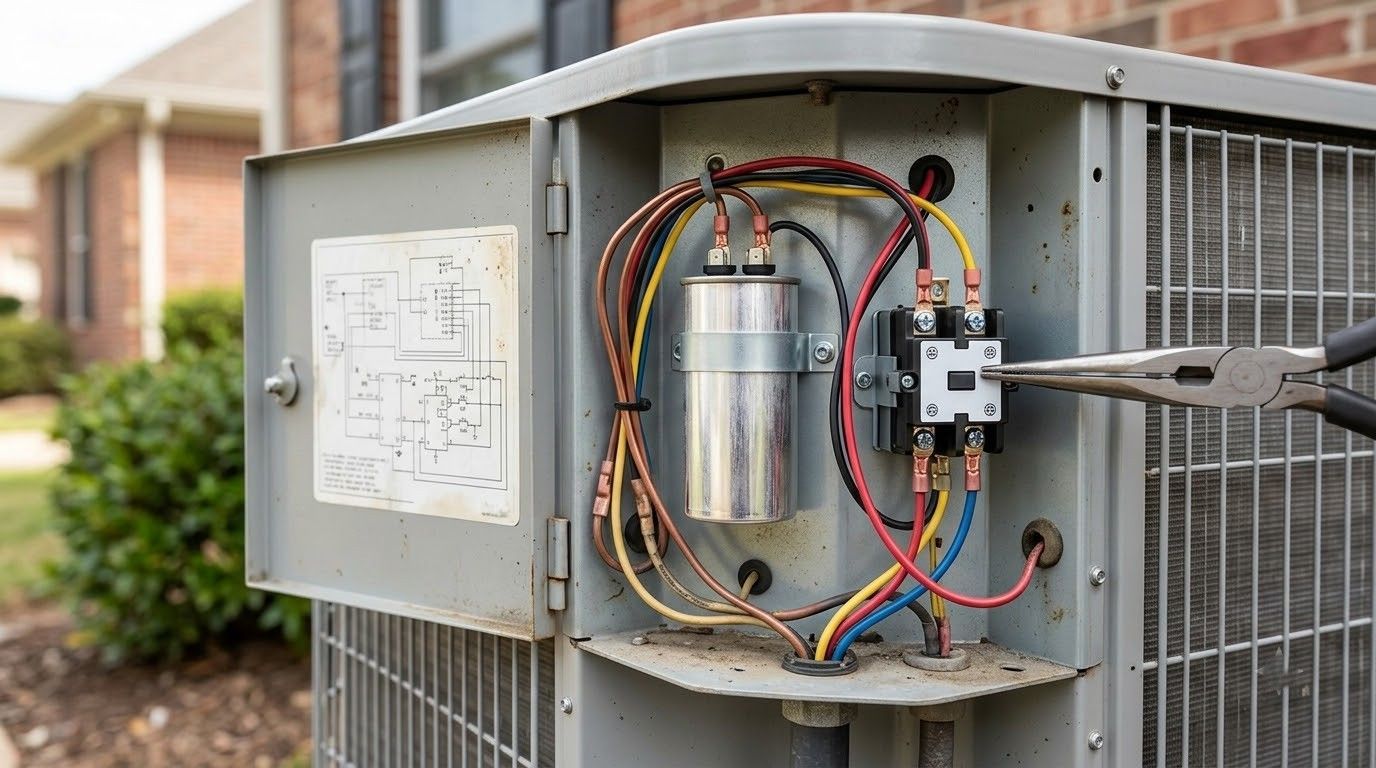
Capacitor and Contactor Replacement
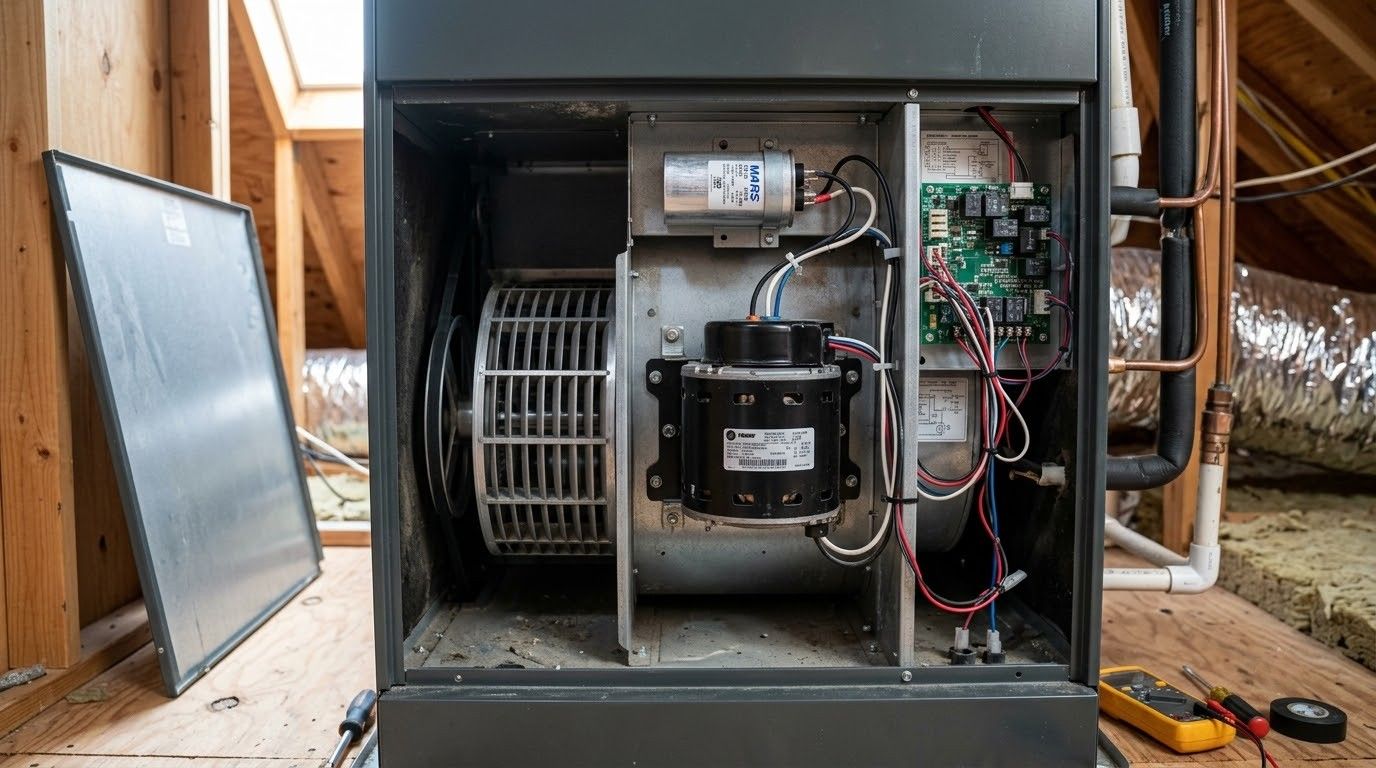
Weak capacitors and pitted contactors cause more no-start calls than any other parts. We test both with a meter, replace failed components with correctly rated parts, and confirm the motors start cleanly under load.
AIR MOVEMENT
Blower Motor Repair
A blower that squeals, runs slowly, or will not start leaves every room uncomfortable. We check the motor, capacitor, wheel, and control signal, then repair or replace whatever is holding back your airflow.
SYSTEM BRAINS
Control Board and Thermostat Repair
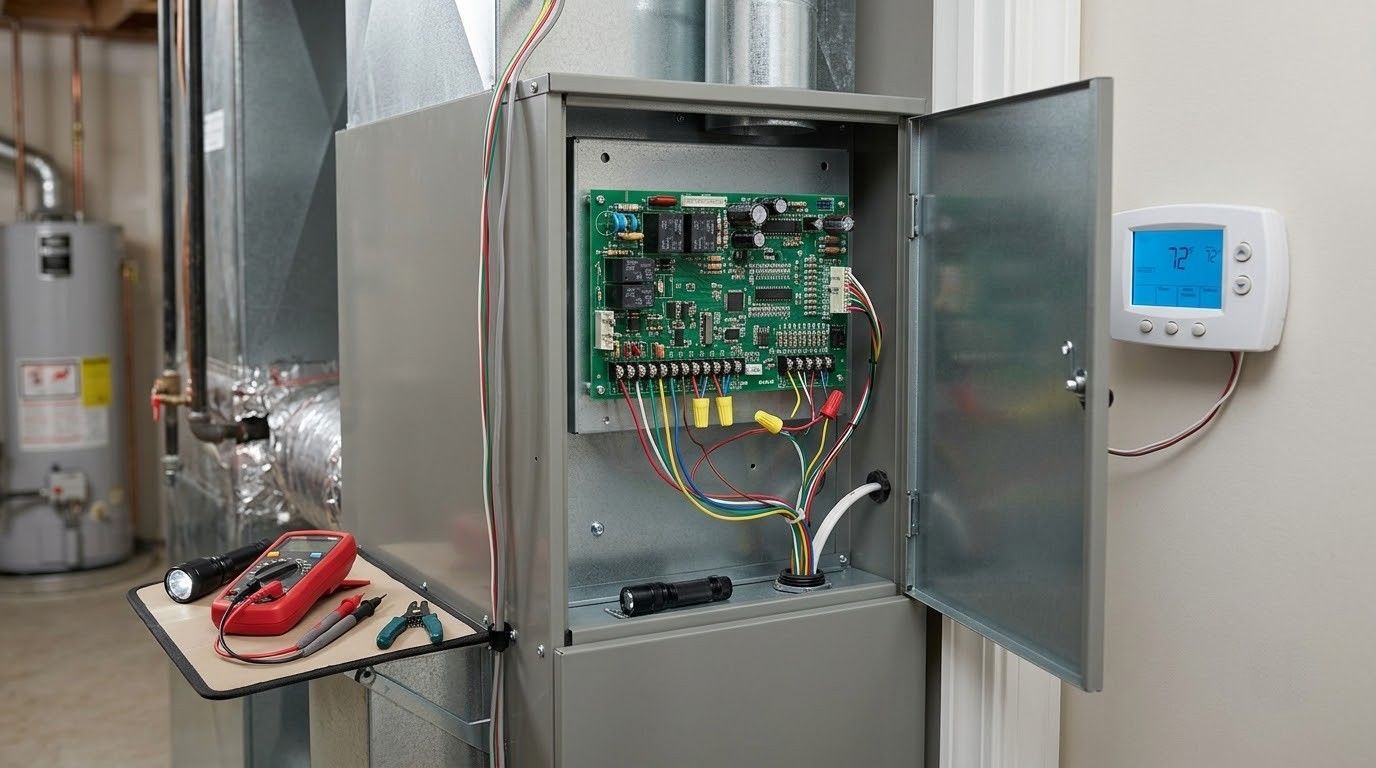
Erratic cycling, blank displays, and systems that ignore the thermostat usually point to wiring, a failing board, or the thermostat itself. We trace the control circuit step by step to locate the fault.
COOLING CIRCUIT
Refrigerant Leak Repair
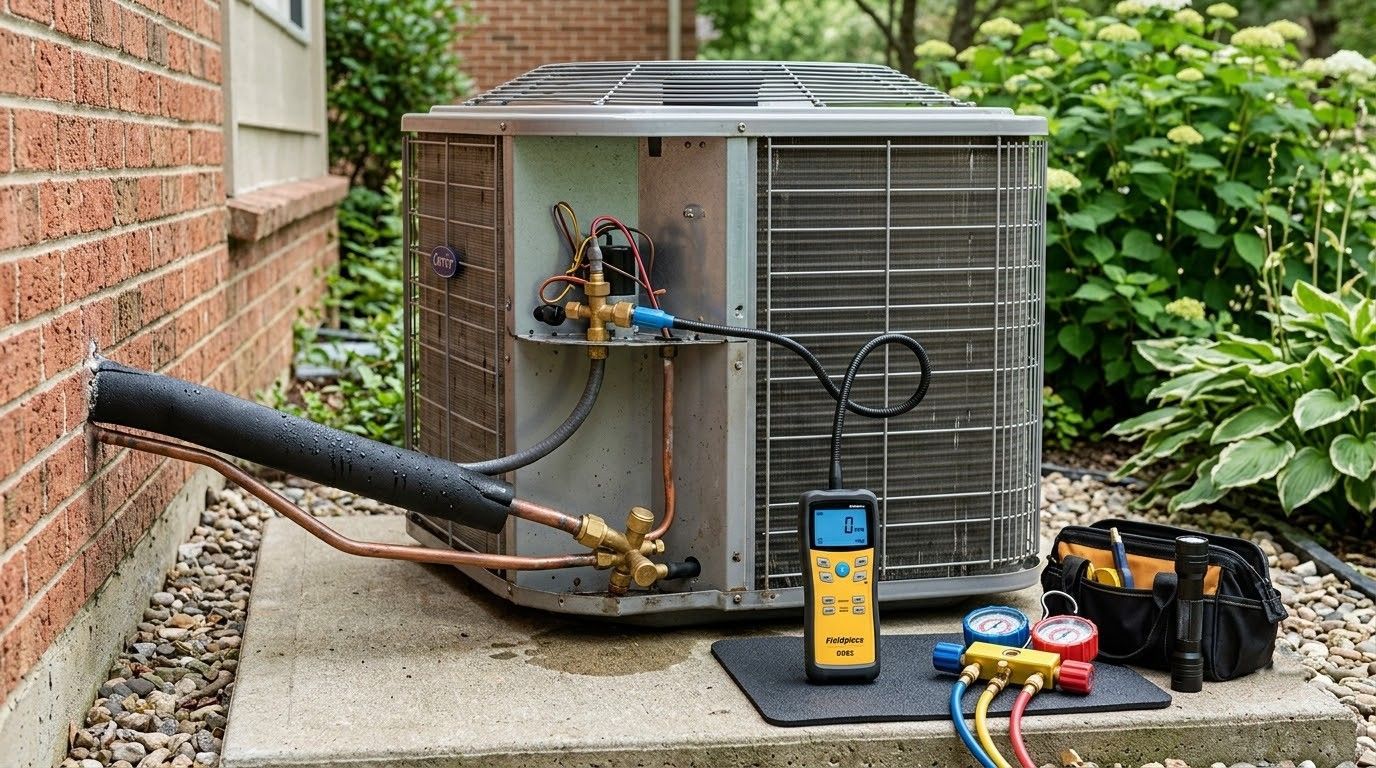
Low refrigerant always means a leak somewhere. We locate it with electronic detection and pressure testing, repair the leak point, and then recharge to the manufacturer's specification instead of topping off repeatedly.
HEATING SIDE
Furnace Component Repair
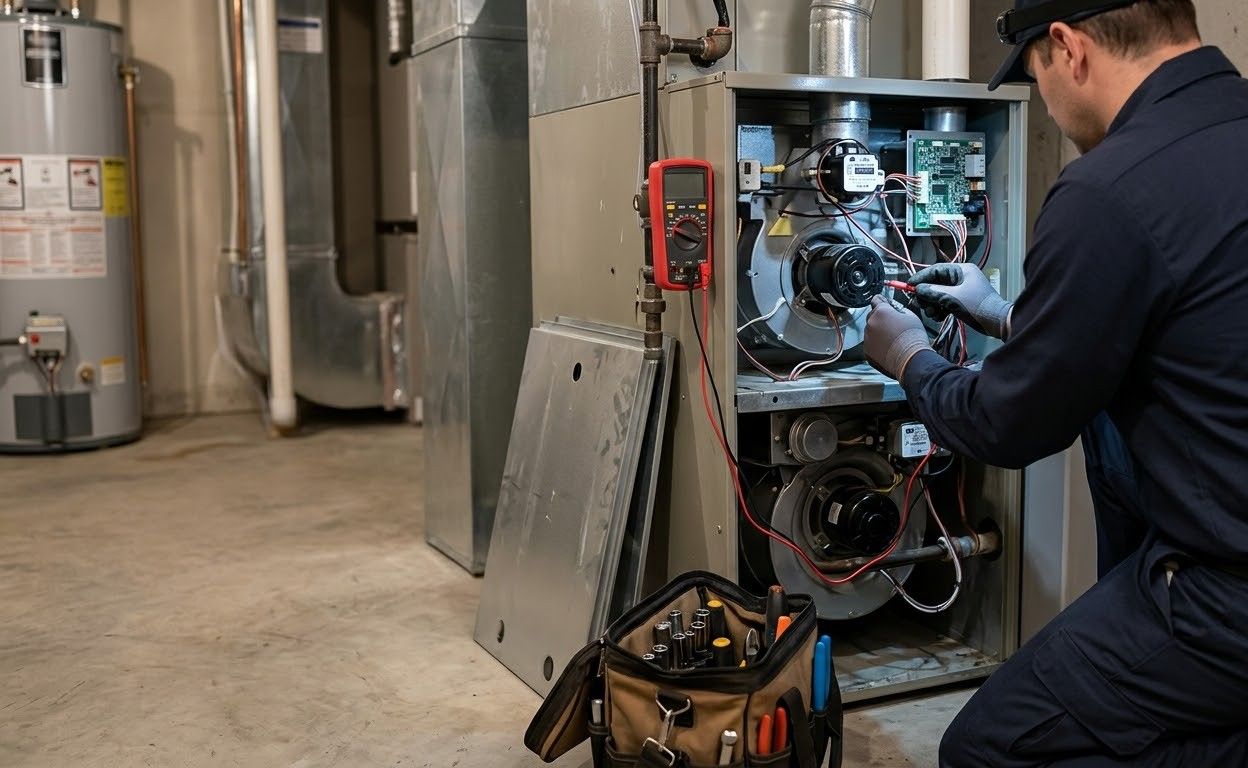
Igniters, flame sensors, pressure switches, and inducer motors wear out on a predictable schedule. We replace the failed part, verify the ignition sequence, and confirm safe combustion before the furnace goes back into service.
DRAIN LINES
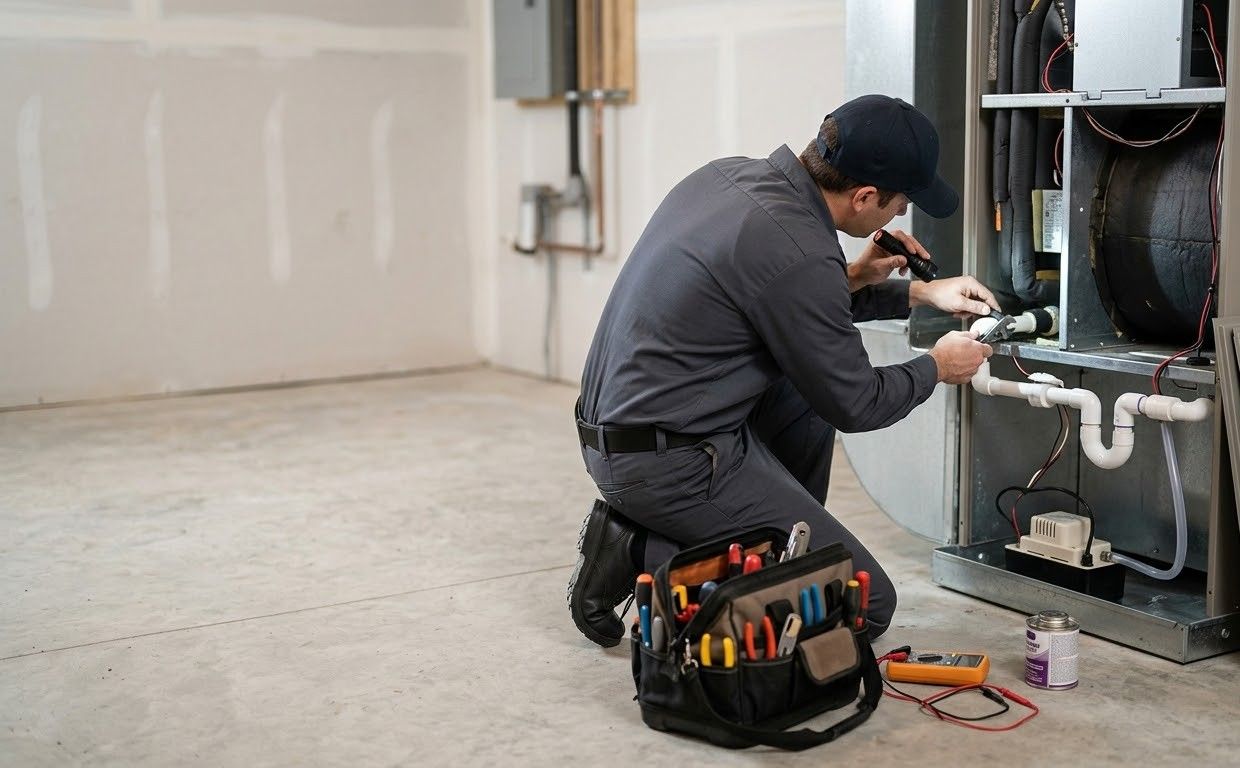
Condensate Drain Repair
Clogged condensate lines and failed pumps can shut a system down or leak into ceilings. We clear the line, test the float switch, and restore a clean drain path that protects your home.
WHAT OUR CLIENTS SAY.
THE WORD ON OUR WORK
THE WORD ON OUR WORK
WHAT OUR CLIENTS SAY.
Customers often tell us they called expecting a sales pitch and got an explanation instead. They mention seeing the failed part, hearing the price before work started, and appreciating a technician who respected their home and cleaned up after the repair.
FAQ
FREQUENTLY ASKED QUESTIONS.
Here are straightforward answers to the questions homeowners ask most about heating and cooling repairs, from warning signs and timing to deciding when a repair still makes financial sense.
How Do I Know If My HVAC System Needs Repair?
Watch for weak airflow, warm air during cooling, short cycling, new noises, rising energy bills, or rooms that no longer reach the thermostat setting. Any one of these signals a developing problem that is cheaper to fix early than later.
Is It Worth Repairing An Older HVAC System?
A common guideline multiplies the system's age by the repair cost; when that figure exceeds about 5,000, replacement often makes more sense. Condition, efficiency, and refrigerant type matter too, so we review every factor with you before deciding.
What Is Short Cycling And Why Does It Matter?
Short cycling means your system turns on and off every few minutes without completing a full cycle. It wastes energy, wears out parts, and leaves humidity behind. Common causes include oversized equipment, dirty filters, low refrigerant, and faulty thermostats.
Can A Dirty Air Filter Really Cause A Breakdown?
Absolutely. A clogged filter starves the system of airflow, which can freeze an evaporator coil during cooling or overheat a furnace until its limit switch shuts it down. Changing filters every 1 to 3 months prevents many repair calls.
How Long Does A Typical HVAC Repair Take?
Most common repairs, such as capacitors, contactors, igniters, and flame sensors, take 1 to 2 hours once the fault is confirmed. Refrigerant leak repairs and motor replacements can take longer, especially when parts must be ordered for specific equipment.
Why Does My System Blow Air But Not Cool Or Heat?
When air moves but stays room temperature, the blower works while the cooling or heating side does not. Typical culprits in homes like yours include a failed capacitor, a tripped outdoor disconnect, low refrigerant, or a furnace ignition problem.
Do You Repair All HVAC Brands?
Performance Plumbing, Heating & Air Conditioning, Inc. repairs most major brands of furnaces, air conditioners, heat pumps, and air handlers in Pasadena, CA. Our technicians diagnose by testing components, so the same methodical approach works across manufacturers and equipment ages.
Why Choose Us For HVAC Repair In Pasadena?
Homeowners in Pasadena, CA choose Performance Plumbing, Heating & Air Conditioning, Inc. for honest diagnosis, upfront pricing, and free second opinions. We are locally owned and owner-operated, so every repair is backed by people who answer for the work personally.
HOW WE WORK
FROM FIRST CALL TO STEADY COMFORT, HERE IS HOW.
STEP 01
WE LISTEN TO THE SYMPTOMS
Tell us what the system is doing, when it started, and what changed. Those details often point us toward the likely cause before we arrive, which shortens the diagnosis and saves you time on the visit.
STEP 02
WE TEST THE WHOLE SYSTEM
Our technician checks electrical components, airflow, refrigerant pressures, and safety controls rather than stopping at the first suspicious part. A complete picture prevents the costly mistake of fixing one symptom while missing the actual cause.
STEP 03
WE SHOW YOU WHAT FAILED
You see the readings or the damaged part and hear a plain explanation of why it failed. Understanding the problem makes it easier to judge the repair options we present next and decide with confidence.
STEP 04
WE PRICE IT UPFRONT
Before any work starts, you receive a clear price for the repair. There are no surprises on the invoice, and you are free to ask for a second opinion or compare options first.
STEP 05
WE MAKE THE REPAIR
Using correctly rated parts, we complete the repair and correct any contributing issue we found, such as a dirty coil, a loose connection, or a restricted filter that stressed the failed component. Nothing gets left half done.
STEP 06
WE VERIFY PERFORMANCE
Finally, we run the system through a complete cycle, measure temperatures and pressures, and confirm steady operation. You get a summary of the work and any recommendations worth planning for. Questions are always welcome before we leave.